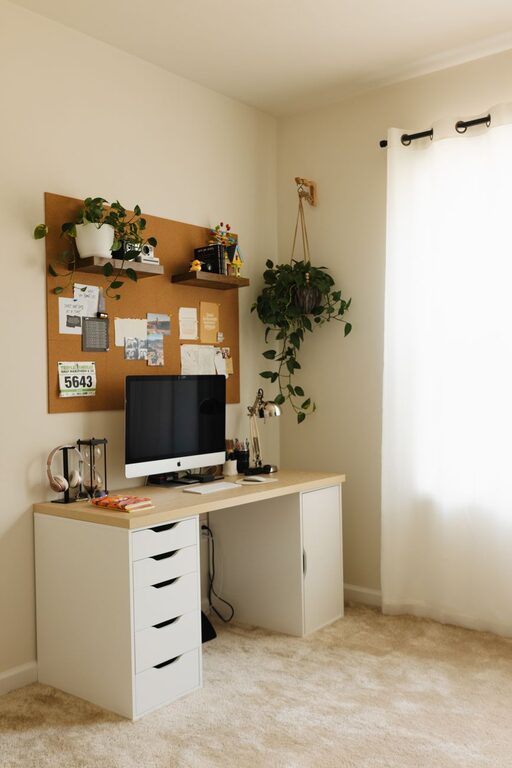

Creating a cozy and inviting home environment is something many people strive for. A space that feels warm and welcoming can make a big difference in your daily mood and overall well-being. Whether you live in a small apartment or a large house, there are simple ways to transform your home into a comforting retreat. In this post, we’ll explore practical tips to help you achieve that cozy atmosphere.
Why a Cozy Home Matters
Your home is your sanctuary — a place to relax, recharge, and connect with loved ones. A cozy environment promotes comfort and happiness, reducing stress and making you feel safe. By focusing on warmth, texture, lighting, and personal touches, you can create a space that invites relaxation at the end of a busy day.
1. Choose Warm and Soft Textures
One of the easiest ways to add coziness is through textures. Soft fabrics like plush throws, fluffy pillows, and thick rugs can transform a room.
– Throws and blankets: Keep a few on your sofa or chairs for easy access when you want to curl up.
– Pillows: Mix different sizes and materials, such as velvet or knitted ones, for a layered look.
– Area rugs: A soft rug underfoot makes any room feel more inviting and grounded.
Don’t hesitate to experiment with materials that feel good against your skin — your comfort is the priority.
2. Use Warm, Soothing Colors
Colors influence mood significantly. Warmer tones tend to make spaces feel intimate and welcoming.
– Consider shades like soft beige, warm taupe, creamy white, and muted earth tones.
– Accent colors such as burnt orange, mustard yellow, or deep greens can add richness.
– Avoid overly bright or stark colors that can feel cold or clinical.
Painting an accent wall or adding colored accessories like cushions and curtains are simple ways to bring warmth into a room.
3. Optimize Lighting for Comfort
Lighting shapes the ambiance of your home. Harsh, bright light can feel uncomfortable, while soft, layered lighting invites relaxation.
– Use warm white bulbs (around 2700K) to create gentle illumination.
– Incorporate multiple light sources such as table lamps, floor lamps, and overhead fixtures.
– Consider dimmers to adjust light levels based on time of day or activity.
– Add candles or flameless LED candles for a soft, flickering glow that adds instant coziness.
Natural light is also important, so use sheer curtains to maximize daylight without sacrificing privacy.
4. Keep the Space Clutter-Free but Personal
A tidy space feels more peaceful, but that doesn’t mean removing everything personal or important.
– Declutter regularly and organize items in baskets, shelves, or storage ottomans.
– Display meaningful items like photos, souvenirs, or favorite books.
– A few well-chosen decorative elements add warmth without overcrowding.
Balance is key: enough order to feel calm, with enough personal touches to feel “homey.”
5. Bring Nature Indoors
Natural elements connect us to the outdoors and create a soothing vibe.
– Add indoor plants, from low-maintenance succulents to leafy greens.
– Use natural materials like wood, stone, or woven baskets in your furnishings and décor.
– Fresh flowers, even in small vases, brighten spaces and offer a pleasant scent.
Regularly caring for plants also adds a sense of routine and calm to your day.
6. Create Cozy Nooks
Design areas specifically meant for relaxation to make your home more inviting.
– A reading nook with a comfortable chair, good lighting, and a small side table can become a favorite retreat.
– Window seats with cushions offer a cozy spot to enjoy natural light.
– Consider arranging furniture in conversational groupings rather than lining it against walls.
Defined, functional spaces encourage you to unwind and enjoy your home fully.
7. Use Soft Aromas
Scent has a powerful effect on comfort and mood.
– Essential oil diffusers, scented candles, or fresh herbs can add subtle, pleasant aromas.
– Popular cozy scents include vanilla, lavender, cinnamon, and sandalwood.
– Avoid overpowering fragrances; gentle and natural is best.
A lovely scent can make your space feel fresh and inviting every day.
8. Pay Attention to Temperature and Air Quality
Comfort also depends on how the room feels physically.
– Use blankets and rugs to help keep warmth in colder months.
– Fans or open windows can improve airflow when it’s warm.
– Consider air purifiers if needed to keep indoor air fresh.
– Humidifiers can add moisture during dry seasons for added comfort.
Maintaining a comfortable climate indoors enhances overall coziness.
Final Thoughts
Creating a cozy and inviting home isn’t about spending a lot of money or following every design trend. Instead, focus on what makes you feel comfortable and content. Soft textures, warm colors, balanced lighting, and personal touches all contribute to a welcoming atmosphere. With these simple tips, you can turn your living space into a cozy haven where you love to spend time.
Remember, home is where comfort begins — so make it your happy place!
About the Author