
Creating a productive home office environment is essential for anyone working remotely or handling projects from home. A well-designed space can improve focus, reduce stress, and boost your overall efficiency. Whether you have a dedicated room or a small corner, there are simple adjustments you can make to transform your workspace into a productive haven.
1. Choose the Right Location
Selecting the ideal spot in your home for your office space is the first step. Consider these factors:
– Natural light: Working near a window provides natural light, which can improve mood and energy.
– Quiet area: Pick a location with minimal distractions, away from household noise and high-traffic zones.
– Space availability: Ensure there is enough room for your desk, chair, and any equipment you need.
If space is limited, consider using room dividers or noise-canceling headphones to create a sense of separation from the rest of your home.
2. Invest in Ergonomic Furniture
Comfort is key to maintaining productivity throughout the day. Spending time choosing ergonomic furniture helps prevent discomfort and long-term health issues.
– Desk: Opt for a desk at the right height where your forearms rest comfortably when typing.
– Chair: Choose an adjustable chair with good lumbar support that encourages healthy posture.
– Accessories: Consider a footrest, monitor stands, or keyboard trays to position your equipment correctly.
Making your workspace comfortable can reduce fatigue and keep you focused.
3. Organize Your Workspace
A clutter-free environment helps clear your mind and streamlines your workflow.
– Declutter regularly: Remove unnecessary items from your desk to keep it tidy.
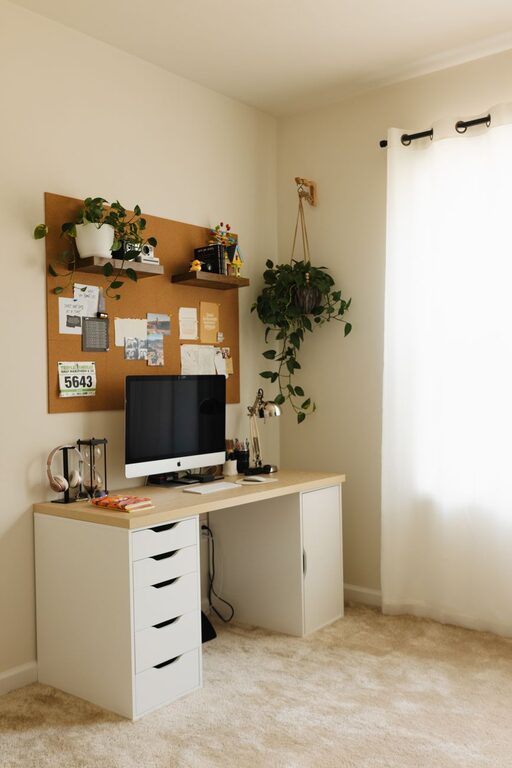
– Storage solutions: Use shelves, drawers, or filing cabinets to store documents and supplies out of the way.
– Cable management: Use clips or organizers to keep cords neat and prevent tangling.
Creating designated spaces for your tools and papers means less time spent searching and more time getting work done.
4. Optimize Lighting
Proper lighting sets the tone for your workday and reduces eye strain.
– Natural light: Maximize daylight by positioning your desk near windows.
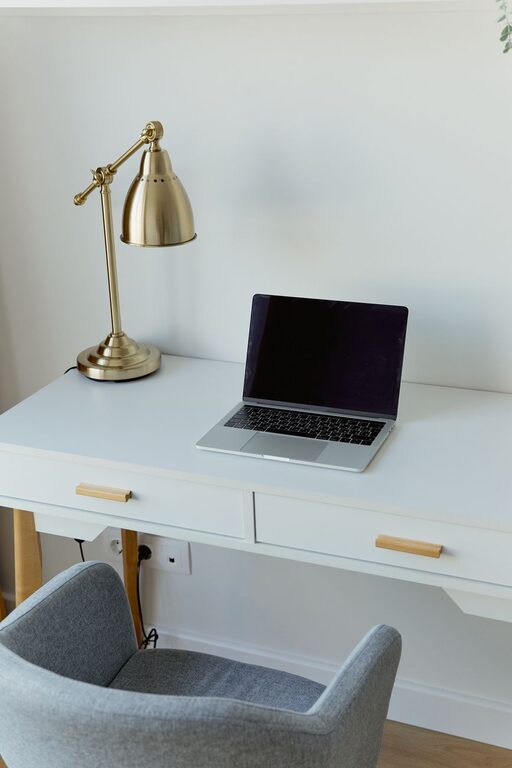
– Task lighting: Use adjustable desk lamps for focused illumination on important tasks.
– Avoid glare: Position screens to avoid glare from windows or overhead lights.
Balanced lighting helps maintain alertness and comfort.
5. Personalize Your Space
While professionalism is important, making your home office feel inviting can improve motivation and well-being.
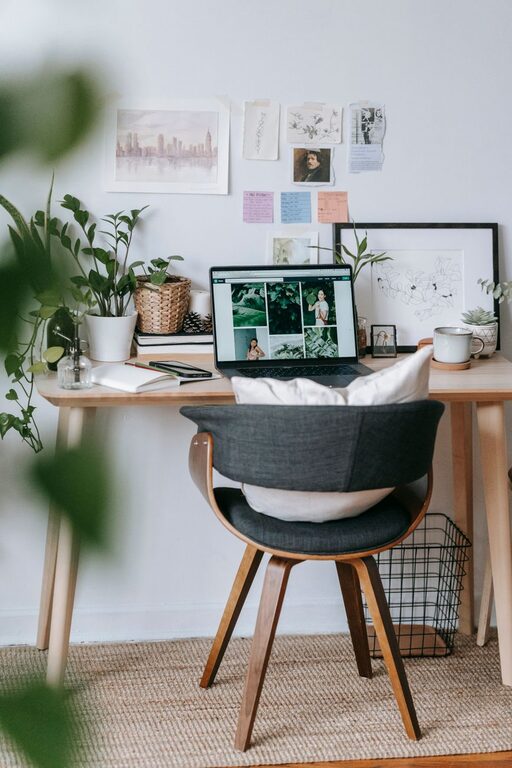
– Decor: Add plants, photos, or artwork that inspire you.
– Color: Incorporate calming or motivating colors through paint or accessories.
– Music: If it helps you focus, keep a small speaker or headphones to listen to background music or ambient sounds.
Personal touches can make work feel less like a chore.
6. Minimize Distractions
Distractions are a common challenge in home offices. Take steps to limit interruptions:
– Set boundaries: Communicate your work hours to family or roommates.
– Limit phone notifications: Use “Do Not Disturb” modes during focus time.
– Stay off social media: Consider apps or browser extensions that block distracting websites while working.
Creating a distraction-free zone helps you sustain concentration.
7. Establish a Routine
A consistent daily routine supports productivity and work-life balance.
– Set regular hours: Define your start and end times.
– Take breaks: Schedule short breaks to stretch or relax your eyes to avoid burnout.
– Create rituals: Start your workday with simple habits like a cup of tea or reviewing your to-do list.
Routines build structure and help you get in the right mindset.
8. Utilize Technology Wisely
Leverage technology tools to streamline your tasks and communication.
– Organizational apps: Use to-do lists, calendars, or project management tools.
– Communication platforms: Stay connected with colleagues through video calls or chat apps.
– Backup solutions: Regularly save your work using cloud storage or external drives.
Using technology efficiently reduces stress and keeps you on track.
—
Final thoughts
Creating a productive home office environment involves a combination of thoughtful setup, organization, and good habits. By choosing the right location, investing in ergonomic furniture, and minimizing distractions, you can build a workspace that supports your best work. Remember that your home office should work for you—adjust and personalize it as your needs evolve to maintain motivation and comfort.
Start small with these tips, and over time, you’ll notice a positive difference in your productivity and work experience at home.
About the Author