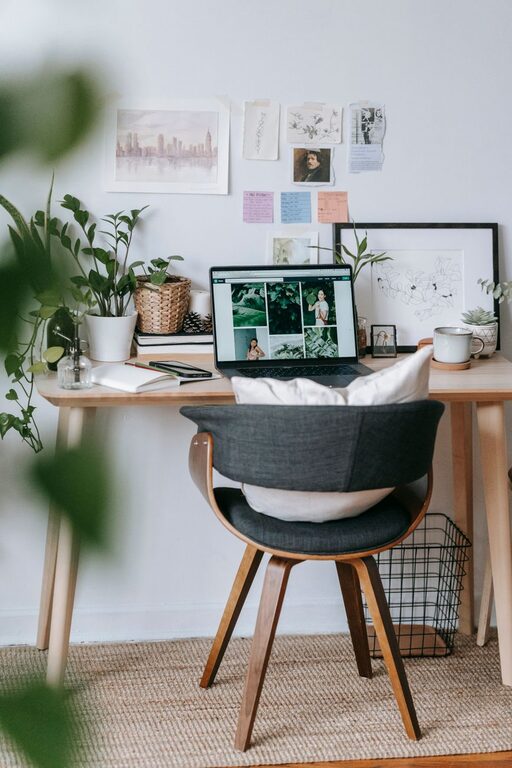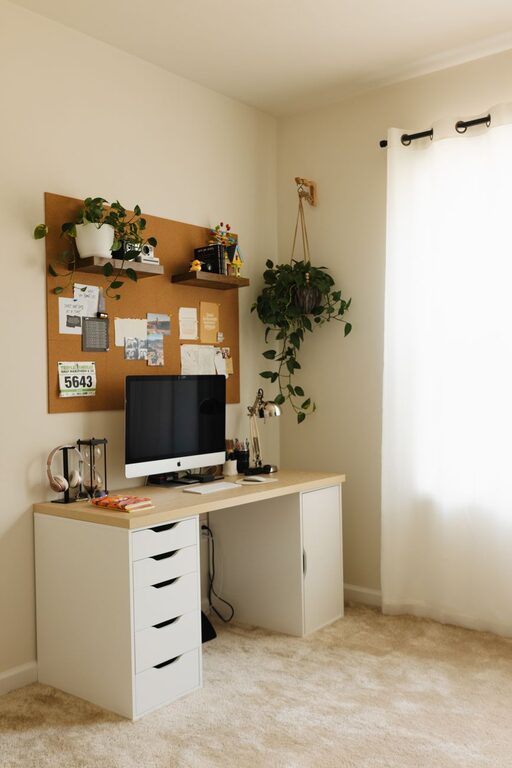
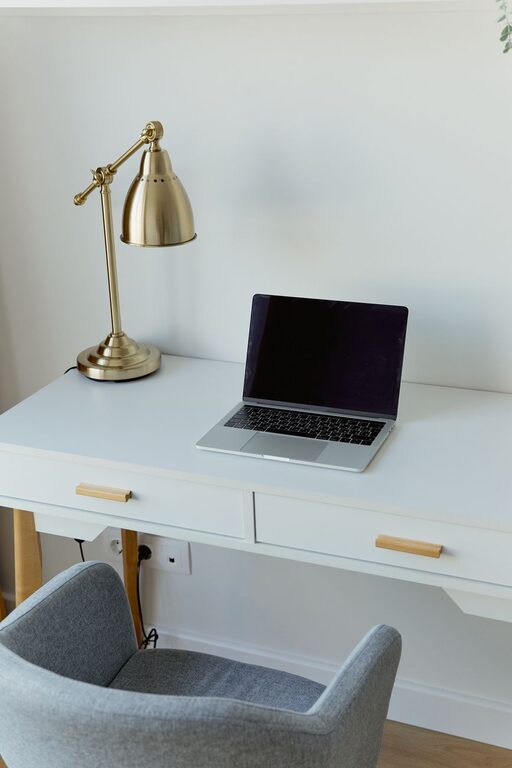
Creating a home office that fosters productivity and comfort is essential in today’s world, where many people work remotely or spend extended hours at home. A well-organized workspace improves focus, reduces stress, and makes the workday feel less overwhelming. Whether you have a dedicated room or a cozy corner, these simple tips will help you transform your home office into an inviting, efficient place to get things done.
Assess Your Space and Needs
Before you start organizing, take a moment to evaluate your current workspace. Identify what’s working and what needs improvement, paying attention to:
– Desk size and layout
– Lighting conditions
– Available storage
– Noise levels and distractions
– Types of work you perform (computer, paperwork, calls)
Understanding your specific needs will help guide your organization choices.
Prioritize Ergonomics and Comfort
Comfort plays a key role in productivity. An ergonomic setup reduces fatigue and prevents discomfort during long work sessions.
Chair and Desk
Choose a chair that supports your back and allows your feet to rest flat on the floor. The desk height should let your arms rest comfortably without reaching up or down.
Monitor and Keyboard Placement
Position your computer screen at eye level to avoid neck strain. Keep the keyboard and mouse close enough to prevent reaching out, and consider an external keyboard if you use a laptop.
Lighting
Natural light is ideal, but if it’s limited, add adjustable desk lamps to reduce eye strain. Avoid harsh overhead lighting or glare on your screen.
Declutter Your Workspace
A tidy desk helps clear your mind.
– Remove items you don’t need for daily tasks.
– Use trays or small containers to keep pens, paper clips, and other small items contained.
– Regularly clear out old papers and unused materials.
Use Smart Storage Solutions
Having designated storage keeps your office neat and makes it easier to find things.
Shelves and Cabinets
Install shelves or use storage cabinets to store books, binders, and equipment. Label boxes or bins to quickly identify contents.
Drawer Organizers
Keep office supplies sorted with drawer dividers. Organize by category, such as writing tools, chargers, and sticky notes.
Cable Management
Use cable clips or sleeves to keep cords tidy and prevent tangles. A clutter-free desk surface promotes focus.
Create Zones for Different Activities
If space allows, separate your workspace into zones.
– Work Zone: Your desk and computer setup.
– Reference Zone: Shelves or filing cabinets for documents and resources.
– Planning Zone: A board or notebook for calendars, to-do lists, and reminders.
Separating activities helps keep tasks organized and your mind clear.
Personalize Your Space—But Keep It Minimal
Adding personal touches can make your workspace more inviting, but avoid clutter.
– Choose a few meaningful items like a plant, framed photo, or artwork.
– Use calming colors or accessories that inspire you without overwhelming the space.
Maintain a Daily and Weekly Routine
Organization is an ongoing process.
– Spend 5 minutes at the end of each day tidying your desk.
– Once a week, file papers, empty trash, and reassess your setup.
Consistent upkeep prevents clutter buildup and keeps your office efficient.
Use Technology to Stay Organized
Leverage digital tools to enhance organization and productivity.
– Use apps for note-taking, task management, or scheduling to reduce paper clutter.
– Keep files organized in clearly named folders on your computer or cloud storage.
Tips for Small or Shared Spaces
If you have limited room, try these ideas:
– Use vertical space with wall-mounted shelves.
– Choose multi-functional furniture like desks with built-in storage.
– Portable storage carts can be wheeled away when not in use.
Final Thoughts
Organizing your home office is more than tidying up; it’s about creating an environment that supports your work style and well-being. By focusing on ergonomics, decluttering, proper storage, and thoughtful personalization, you can build a workspace that boosts both productivity and comfort. The key is to tailor these tips to your unique needs and maintain organization regularly for lasting benefits.
About the Author